
Open 24/7 · Calls Answered Anytime Watertown (952) 847-3387
Full Time Heating and Cooling · Watertown, MN

Zone Control Systems That Heat What You Actually Use

24/7 Emergency Service5.0 · 211 Local ReviewsMN License MB792165
Zone Control Systems That Heat What You Actually Use
NEED HVAC SERVICE?Leave your number. We'll call within one business day.
No obligation. Your information stays private.

What a Zone Control System Actually Does

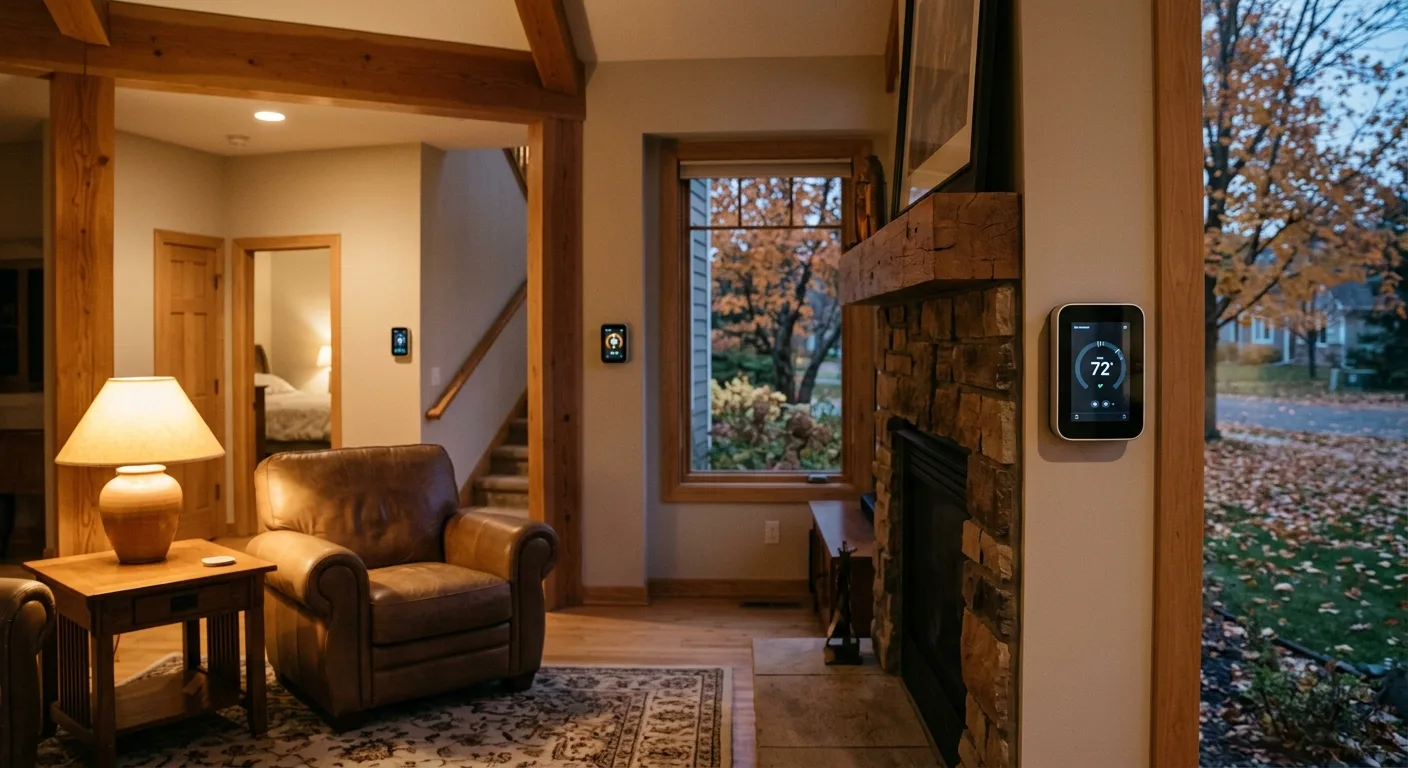
Your furnace or air conditioner doesn't know which rooms are occupied. It conditions everything based on a single thermostat reading, which is rarely in the room that needs it most. A zone control system fixes that by installing motorized dampers in your supply ducts and wiring each zone to its own thermostat. When zone two calls for heat, the dampers for zones one and three stay closed. The system only delivers conditioned air where it's needed. The zone controller manages all of this automatically. You set temperatures per zone, and the system handles the rest. If you've been running your whole system to keep one room comfortable, zoning is worth looking at seriously. You can pair a zone system with a thermostat upgrade to get programmable or smart control on every zone independently.

Three Types of Zoning Systems

Details below
The right zoning approach depends on your home's existing equipment and ductwork layout. Here's how the three main types differ.

Damper-Based Zoning

The most common residential approach. Motorized dampers are installed in existing ductwork and controlled by a central zone board. Works with most forced-air systems. Best for homes that already have ductwork in reasonable shape.
Ductless Multi-Zone Systems

Mini-split systems with multiple indoor air handlers connected to a single outdoor unit. Each air handler is its own zone with independent temperature control. No ductwork required. Good for additions, garages, or homes without existing ducts.

Bypass Damper Zoning

Used when a zoned system needs to manage static pressure as zones close off. A bypass damper redirects excess airflow to prevent pressure buildup that can damage the blower motor. Not always necessary, but often needed on older single-speed equipment.

Is Zone Heating Worth It for a Two-Story Home?

Honestly, the answer depends on your situation. Two-story homes are the most common candidates because heat rises and the temperature difference between floors can be significant, sometimes 5 to 10 degrees or more in winter. If your upstairs is always too warm and your downstairs is always chasing the thermostat, you're running your system harder than you need to. Zoning can fix that and reduce runtime on your equipment in the process. For homes where every room gets used regularly and temperatures are already consistent, zoning adds cost without a proportional return. We won't push it on you if it doesn't make sense for your setup. If you're not sure, we can look at your current heating services and system behavior and give you a straight answer.

What the Installation Process Looks Like

Details below
Zone control installation isn't a same-day repair call. Here's the sequence so you know what to expect.

System Evaluation First

We look at your existing equipment, ductwork layout, and insulation before recommending any zoning configuration. Some systems need modifications before zoning will work correctly. We find the actual problem before we propose a solution.

Damper and Controller Installation

Motorized dampers are installed at the branch points in your ductwork. A zone control board is wired to each thermostat and tied into your existing equipment. This is the core of the system and has to be done precisely.

Thermostat Placement

Each zone gets its own thermostat mounted in a representative location for that space. Placement matters. A thermostat near a window or on an exterior wall won't read accurately. We choose locations that reflect actual zone temperature.

Testing and Balancing

After installation, we test every zone independently and together, checking damper operation, zone controller response, and equipment behavior under partial-load conditions. Static pressure gets verified if a bypass damper is involved.

Owner Inspection

Jason personally inspects every completed installation before we call the job done. That's not a policy statement. It's what actually happens on every job.

When Zone Control Makes Sense and When It Doesn't

Zone systems work well in specific situations. They're a strong fit if your home has a finished basement or bonus room that runs independently from the main living space, if you have a two-story layout with consistent floor-to-floor temperature differences, or if part of the house is rarely used and you're conditioning it anyway. They're less likely to pay off in a single-story ranch with good duct balance and consistent room-to-room temps. They're also not a fix for a system that's undersized or ductwork that leaks badly. Zoning a leaky duct system just pressurizes the leaks. We address those problems first. If you've had a second opinion on your system that didn't account for duct condition, you can request a free HVAC second opinion and we'll take a clean look.

Zone Control and Indoor Air Quality

One thing people don't always think about: zoning affects how air circulates through your home. When some zones are closed, less air moves through the system overall. That can reduce the frequency with which your air passes through the filter or any air filtration equipment you've installed. If indoor air quality matters to your household, we'll factor that into how we design the zone configuration and whether a bypass or variable-speed blower is the right call for your setup. Minnesota winters are dry enough that humidifier performance is also worth discussing when you're changing airflow patterns.

Quick Facts About Zone Control Systems

Details below
Quick answers to the most common zone system questions.

Typical residential zone count

Two to four zones covers most single-family homes. More zones add cost and complexity without proportional benefit in most layouts.

Compatible equipment

Most forced-air systems can support zoning. Variable-speed blowers handle partial loads better than single-speed units, which can short-cycle when multiple zones are closed.

Does zoning reduce energy bills?

It can, particularly in homes where large portions go unoccupied during the day. The savings depend on how the system is used, not just that it's installed.

Zoning vs. a new system

Zoning improves distribution of conditioned air. It doesn't fix an aging or undersized system. Both problems need separate solutions, and we'll tell you which one you actually have.

Ready to Stop Conditioning Rooms Nobody's In?

Full Time Heating and Cooling installs and services zone control systems throughout the Twin Cities West Metro. We'll evaluate your existing system honestly, tell you whether zoning is worth it for your specific layout, and give you a straight-line answer on cost. Fully insured. Owner inspection on every installation. Call or text anytime.

Or send us your info

By submitting this form you agree that we may contact you about your request.

FAQ Common questions

Frequently Asked Questions

Answers below
What is a zone system? +
A zone system divides a forced-air heating and cooling system into independently controlled areas using motorized duct dampers and separate thermostats. A zone controller reads each thermostat and opens or closes the corresponding dampers to direct airflow only where it's needed. Each zone heats or cools on its own schedule without affecting the others. It's the mechanical equivalent of having separate systems for different parts of the house, using your existing equipment.
How much does a zone control system cost? +
Most residential zoning projects are priced by the number of zones, the condition of existing ductwork, whether bypass dampers are needed, and the type of thermostats used. Variable-speed equipment handles zoning more gracefully than single-speed systems, and upgrading the blower motor adds to the total. Every job is different. Contact Full Time Heating and Cooling for an accurate estimate based on your specific home.
What are the three primary types of zoning systems? +
The three main types are damper-based zoning (motorized dampers in existing ductwork controlled by a zone board), ductless multi-zone mini-split systems (multiple indoor heads connected to one outdoor unit, each independently controlled), and bypass damper zoning (a pressure management approach used alongside damper-based systems when the primary equipment can't modulate airflow on its own). The right type depends on your home's layout, existing equipment, and whether you have functional ductwork.
Is zone heating worth it? +
For two-story homes with consistent floor-to-floor temperature differences, or homes where large areas go unused for extended periods, zoning usually pays off in comfort and reduced runtime. For a well-balanced single-story home with consistent temperatures room to room, the return is harder to justify. We won't recommend it if your situation doesn't support it. The honest answer depends on your layout, your equipment, and how you actually use your home.
Can a zone system work with my existing furnace? +
Most forced-air furnaces can support basic zoning, but single-speed blowers can have trouble with partial loads when multiple zones are closed simultaneously. Static pressure builds in the duct system, which stresses the blower motor and can cause short-cycling. Variable-speed or two-stage equipment handles this much better. During our evaluation, we'll check whether your current furnace needs a bypass damper or equipment modification before zoning will perform reliably.
How many zones does a typical house need? +
Most single-family homes work well with two to four zones. A two-zone setup, typically upstairs versus downstairs, handles the most common comfort complaint in two-story homes at the lowest added complexity. Three or four zones make sense for larger homes, houses with finished basements used as living space, or layouts with a wing that operates on a very different schedule. More zones beyond four rarely add meaningful benefit and increase controller complexity significantly.
Does adding zones affect air filter performance? +
Yes, and it's worth planning for. When zones close, total airflow through the system drops. Air passes through the filter and any installed air purification equipment less frequently. In homes where indoor air quality is a priority, we factor this into zone configuration decisions. A bypass damper or variable-speed blower can help maintain consistent airflow even when part of the system is off, which keeps filtration performance closer to what you'd have with a single-zone setup.

Our promise

If we can repair it, we will.

No unnecessary replacements.You get the fix, not the invoice we would rather write.

Keep Reading