
Open 24/7 · Calls Answered Anytime Watertown (952) 847-3387
Full Time Heating and Cooling · Watertown, MN

Gas Fireplace Cleaning From a Certified HVAC Tech

24/7 Emergency Service5.0 · 211 Local ReviewsMN License MB792165
Gas Fireplace Cleaning From a Certified HVAC Tech
NEED HVAC SERVICE?Leave your number. We'll call within one business day.
No obligation. Your information stays private.

What a Gas Fireplace Cleaning Actually Covers

Details below
Most homeowners don't see the inside of their fireplace until something stops working. Here's what a proper cleaning addresses.

Burner Ports

Carbon buildup and debris block individual ports and produce uneven flames. We clear each port and verify the burn pattern before we leave.
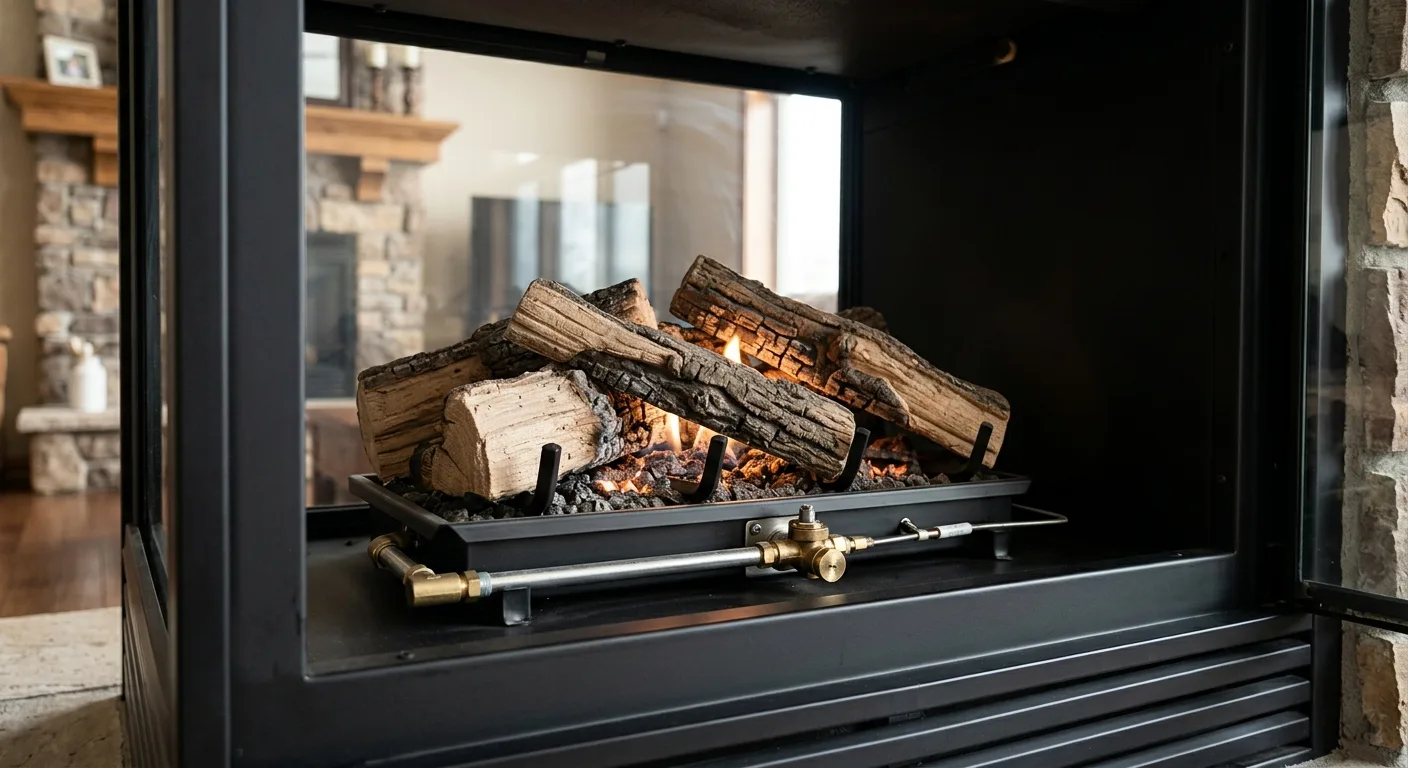
Ceramic Logs and Glass Media

Logs and fire glass collect white residue and soot over time. We clean them without cracking or discoloring the media.

Firebox Interior

The firebox walls and floor accumulate dust, rust flakes, and debris. We clean the interior and check for any signs of heat damage to the liner.

Ignition System

The thermocouple and thermopile get tested for proper millivolt output. A weak thermocouple is the leading cause of gas fireplaces that won't stay lit.

Gas Valve and Connections

We check for gas leakage at the valve body and fittings using leak detection solution. If there's a problem, we tell you before it becomes a hazard.

Venting and Combustion Air

Blocked or improperly terminated vents cause incomplete combustion. We inspect the vent termination cap and confirm adequate combustion air supply.

Can You Clean a Gas Fireplace Yourself?

The glass panel and the firebox interior, yes. The burner assembly and gas components, no. Cleaning around a gas valve without knowing what you're looking at is how people introduce debris into orifices or disturb fittings that were holding a slow leak in place. Spider webs in the pilot orifice are one of the most common service call causes we see, and most homeowners wouldn't recognize one inside a burner assembly if they tried. Wipe the glass from outside, vacuum loose debris from the firebox floor, and call a tech for anything involving the burner, ignition, or gas connections. It's genuinely not worth the risk.

Key Facts About Gas Fireplace Cleaning

Details below
Key facts for homeowners comparing service options.

Spider webs are the most common ignition problem

Spiders build nests in pilot orifices and burner tubes during warm months. A single web can block enough gas flow to prevent ignition.

Gas log fireplaces need cleaning more often than gas inserts

Open log sets draw room air and collect more airborne debris than sealed insert units with direct-vent systems.

Venting matters even on sealed units

Direct-vent fireplaces pull outside combustion air and exhaust through a coaxial pipe. A blocked cap causes soot, odor, and incomplete combustion.

A weak thermocouple won't show up until the fireplace is cold

Thermocouples often test fine when warm but fail to hold the gas valve open after the flame goes out. Testing from a cold start catches this.

Gas leakage detection is part of every visit

We check valve body connections and pilot fittings at every cleaning. Finding a minor leak during a routine visit prevents a larger problem.

When a Gas Fireplace Needs Cleaning

Gas components degrade whether the unit runs or not. Pilot assemblies corrode. Valve seats stiffen. Flexible gas connectors crack. None of that shows up on the outside, which is why a fireplace can look fine right up until it won't light. We also see a lot of fireplaces that haven't been serviced in four or five years, usually because the previous owner never mentioned it. If you don't know when yours was last cleaned, that's reason enough to schedule one. For full seasonal heating system maintenance, our HVAC tune-up service covers your furnace and air handler at the same time.

Fully Insured. No Commission. Honest Diagnosis.

Full Time Heating and Cooling is fully insured, and our techs are not paid to recommend parts or services you don't need. If your fireplace needs a thermocouple, we'll tell you the part, the cost, and why. If it just needed cleaning and the ignition issue is gone, we say that too. Owner Jason stops by on every installation job, and that same accountability carries over to service work. We don't upsell. If the cleaning is all your fireplace needs, the cleaning is all you'll pay for. For homeowners dealing with heating issues beyond the fireplace, we cover furnace repair and installation and emergency heating service throughout the Twin Cities Metro. Call (952) 847-3387 or book online.

Schedule Your Gas Fireplace Cleaning

Gas fireplace cleaning and inspection from a fully insured HVAC tech. Call or text anytime.

Or send us your info

By submitting this form you agree that we may contact you about your request.

FAQ Common questions

Frequently Asked Questions

Answers below
Can I clean my gas fireplace myself? +
The glass and firebox floor are safe to wipe down yourself. The burner assembly, pilot orifice, thermocouple, and gas valve connections are not. Debris introduced into the burner ports or pilot tube can prevent ignition or cause incomplete combustion. If you haven't had the gas components inspected in over a year, a service call is the right move.
What is the average cost to clean a gas fireplace? +
Gas fireplace cleaning costs vary depending on the unit type, venting configuration, and the last time it was serviced. A sealed direct-vent insert with an accessible firebox costs less to clean than an older open log set with multiple components to disassemble. Every job is different. Contact Full Time Heating and Cooling at (952) 847-3387 for an accurate estimate based on your specific unit.
Why does my gas fireplace smell like burning dust when I first turn it on? +
Dust accumulates on the burner, logs, and firebox interior during the months the fireplace sits unused. When it fires up, that dust burns off and produces an odor. It typically clears within 20 to 30 minutes. If the smell persists longer than that, or if you detect a sulfur or rotten egg odor at any point, shut the fireplace off and call for service immediately. That second scenario indicates a possible gas leak, not dust.
My gas fireplace pilot lights but the main burner won't stay on. What does that mean? +
A pilot that lights but won't hold the main burner is almost always a thermocouple or thermopile problem. The thermocouple generates a small voltage that signals the gas valve to stay open. When output drops below the minimum threshold, usually due to age or contamination, the valve closes as a safety measure. A thermocouple replacement is a straightforward repair. We can test output during a cleaning visit and replace the component in the same visit if needed.

Our promise

If we can repair it, we will.

No unnecessary replacements.You get the fix, not the invoice we would rather write.

Keep Reading